Professional Tile Installation: Upgrade Your Floors With Elegance and Durability
Skilled tile placement provides a unique blend of style and strength for contemporary interiors. Skilled professionals bring precision to every job, making certain that every tile is perfectly aligned. This not only elevates the visual charm but also lends to the enduring usefulness of the space. As homeowners weigh their options, grasping the intricacies of tile selection and installation becomes essential. What considerations should one prioritize to accomplish the desired outcome?
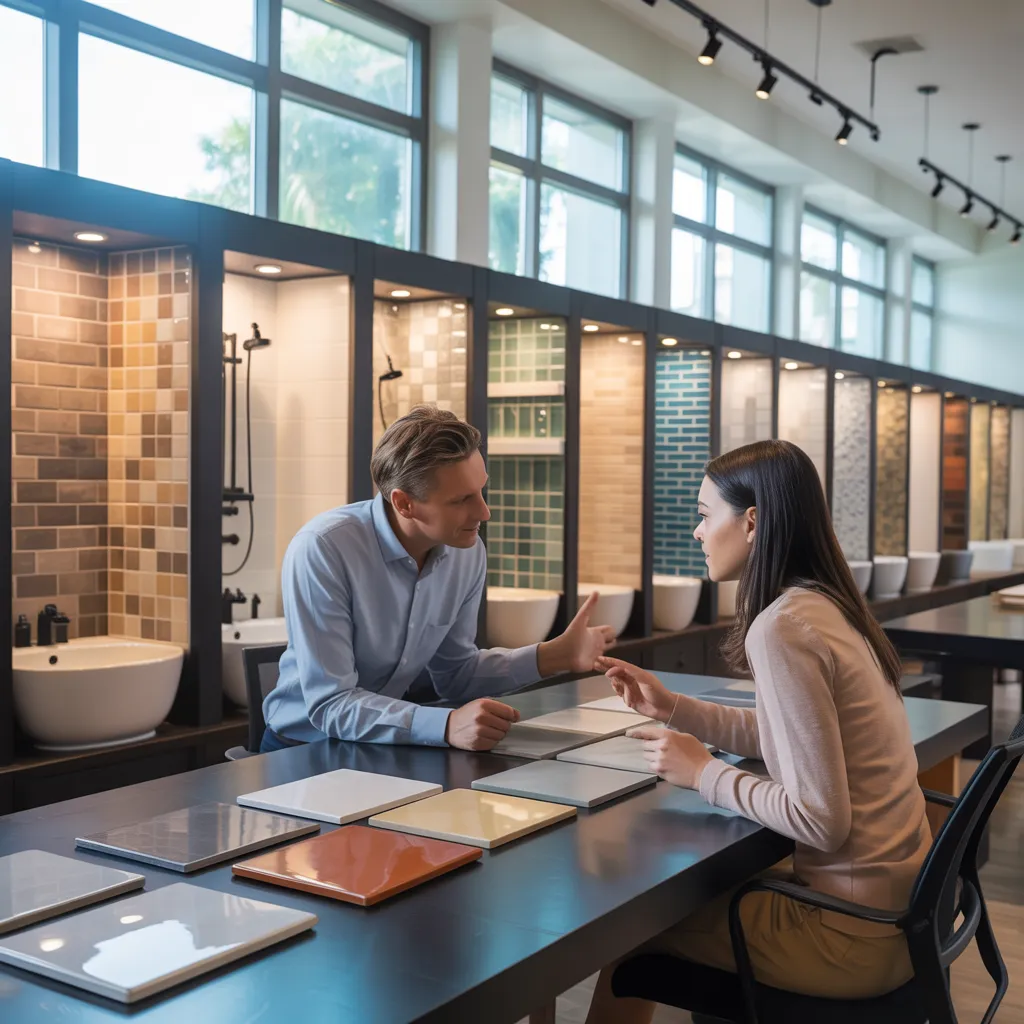
The Advantages of Expert Tile Placement
Choosing expert tile installation enhances both the aesthetic and functional elements of a space. Skilled installers provide expertise that ensures accurate dimensions, proper alignment, and strategic design planning, which minimizes the risk of errors that can compromise the overall look. Employing advanced techniques and tools, professionals can achieve flawless finishes that enhance the visual appeal of any room.
Moreover, professional installation often results in increased durability. Skilled professionals comprehend the subtleties of different tile materials, confirming that the suitable bonding agents and sealants are used for optimal durability. This attention to detail avoids typical problems such as cracking or moisture deterioration.
Furthermore, using professionals can cut down on time and worry. They manage the entire process, allowing homeowners to focus on other aspects of their projects. Overall, experienced tile installation not only transforms spaces but also provides lasting value and peace of mind.
Excellent Installation Tips for Dependable Tile
To effectively install durable tiles, a mastery of essential techniques is needed. Firstly, proper surface preparation is fundamental; the substrate must be clean, dry, and level to guarantee optimal adhesion. Secondly, choosing the right thin-set mortar is necessary because it impacts both bond strength and the longevity of the tiles. A notched trowel should be employed to spread the mortar evenly, allowing for better tile contact.
In addition, using spacers preserves even grout lines, while verifying that tiles are firmly pressed into the mortar prevents air pockets. For expansive areas, a wet saw is advised for precise cutting, while smaller, detailed patterns may gain advantage from manual tile nippers. In conclusion, allowing sufficient drying time before grouting is essential to creating a strong bond. By utilizing these techniques, the longevity and aesthetic beauty of tile installations can be greatly enhanced.
Avoid These Common DIY Tile Installation Mistakes
When starting a DIY tile placement, many individuals fail to recognize vital procedures that can lead to costly errors. Omitting surface preparation and misaligning tiles are two frequent issues that can damage the overall quality and appearance of the finished project. Tackling these concerns early can save time and frustration in the long run.
Overlooking Surface Preparation
Failing to ready the surface is a common error in DIY tile installation and may result in disastrous outcomes. Ensuring proper surface preparation provides a smooth, clean, and dry foundation, which is crucial for tile bonding and longevity. Ignoring imperfections, such as cracks or bumps, can cause tiles to crack or lift over time. Moreover, insufficient cleaning can leave dust and debris that interfere with the adhesive's effectiveness. Moisture problems, if not addressed, can encourage mold growth under the tiles, harming both appearance and health. In the end, thorough surface preparation enhances the visual appeal of the tile work and ensures durability, lowering the chance of expensive repairs later. Skipping this step is an error that risks the entire project's success.
Crooked Tile Configuration
Surface preparation lays the foundation for a successful tile installation, but even a well-prepared substrate can fall victim to incorrect tile alignment. This common mistake can lead to uneven surfaces, unsightly gaps, and ultimately, a damaged aesthetic. Proper alignment is vital; tiles must be laid in straight lines and consistent designs to guarantee visual appeal and structural integrity. DIY enthusiasts often overlook the importance of using spacers, which help maintain uniform gaps for grout and prevent shifting. Additionally, failing to establish a reference line can result in a cascading effect of misalignment. To achieve professional results, measuring meticulously and adjusting as needed throughout the installation process is essential. These practices will linked resource enhance both the beauty and longevity of the tiled surface.
Methods to Find the Perfect Tile Design for Your House
How can one identify the optimal tile style to improve their home's appearance? First, consider the general aesthetic direction of the space. Whether modern, rustic, or traditional, the tile should work with existing decor. Next, assess the scale and size of the area. Larger tiles can produce the effect of more space, while smaller tiles might work well with intricate designs in smaller rooms.
Color plays an important role; neutral shades present versatility, while vibrant colors can make a bold statement. Texture, too, should not be overlooked. Shiny tiles can reflect light, making a room feel brighter, while matte finishes provide a more subdued appearance.
Ultimately, reflect on practicality. Tiles in high-traffic areas require durability, while those in wet spaces need slip resistance. By closely analyzing these factors, one can pick a tile pattern that not only adds visual appeal but also meets everyday requirements.
Tile Upkeep Tips for Long-lasting Results
Proper tile care is critical for maintaining lifespan and keeping appearance intact. Regular cleaning practices, sealing grout, and managing temperature and humidity are necessary components of an thorough care routine. By taking care of these factors, one can greatly extend the life of tile installations.
Consistent Sanitation Procedures
Preserving the appearance and durability of tile surfaces requires steady cleaning routines that stop dirt buildup and damage. Regular sweeping or vacuuming is vital to clear loose debris, while damp mopping with a pH-neutral cleaner removes grime without damaging the tile’s finish. It’s best to avoid abrasive scrubbers as they can scratch the surface. For tougher stains, a solution of baking soda and water provides a gentle yet effective cleaning method. Moreover, making sure spills are cleaned up quickly can prevent stains from setting in. Using these cleaning practices not only enhances the aesthetic appeal of tile floors but also significantly prolongs their lifespan, keeping them pristine for many years.
Recognizing the Importance of Grout Sealing
Standard maintenance routines establish the stage for effective tile upkeep, yet grout sealing is equally important for preserving the integrity of tile installations. Grout, often porous, can absorb water, dirt, and stains, leading to discoloration and deterioration over time. By applying a high-quality grout sealer, homeowners can create a protective barrier that sheds water and prevents staining, enhancing both appearance and longevity. Sealing grout also minimizes the growth of mold and mildew, contributing to a healthier indoor environment. It is generally recommended to seal grout every one to three years, depending on usage and exposure to moisture. Regular grout sealing not only safeguards the aesthetic appeal of tile surfaces but also guarantees sustained durability for years to come.
Thermal and Humidity Management
Controlling temperature and humidity is important for maximizing the lifespan of tile installations. Fluctuations in temperature can cause tiles to expand and contract, leading to cracks or loosening over time. Maintaining a stable indoor climate, ideally between 60°F and 80°F, helps prevent these risks. Additionally, humidity levels should be kept between 30% to 50%. Excess moisture can lead to mold growth or damage to grout, while overly dry conditions may cause tiles to become brittle. Homeowners should consider using dehumidifiers in humid climates and humidifiers during dry seasons. Regular assessment of these environmental factors guarantees that tile surfaces remain in prime condition, strengthening both durability and aesthetic appeal. Implementing these strategies promotes persistent beauty and functionality in tile installations.
Finding a Trusted Tile Installation Professional
How might one confirm that they employ a reliable tile installation expert? First, thorough investigation is necessary. Prospective clients should obtain recommendations from family, friends, or web-based testimonials to locate reputable professionals. Reviewing qualifications, such as licensing and insurance, confirms that the professional satisfies industry standards and is insured for any potential problems during installation.
In addition, asking for a portfolio of previous work enables customers to assess the style and quality of the expert's workmanship. It is also wise to obtain several estimates, as this provides insight into pricing and the expert's manner of communication. Engaging in a detailed consultation helps clarify timelines and expectations. Finally, a reliable expert should provide warranties for their services, demonstrating confidence in their work. By adhering to these steps, people can determine wisely and secure an skilled tile installation expert who matches their project needs.
Standard Questions Users Request Frequently
What Types of Flooring Materials Work Most Suitable in Outside Placements?
Excellent choices for outdoor projects, porcelain and natural stone tiles deliver longevity and weatherproof qualities. Additionally, textured surfaces supply enhanced grip, promoting safety in wet conditions while keeping their aesthetic appeal.
What Timeframe Should You Expect for a Professional Tile Installation?
Professional tile installation work generally takes one to three days, based on the project's size and complexity. Elements such as surface prep and type of tile can materially influence the overall duration of the job.
Can Tile Be Installed Over Existing Flooring?
Yes, tile can be installed over existing flooring, if the surface is properly leveled, thoroughly cleaned, and structurally intact. This method can save time and effort, but meticulous planning and assessment are imperative for a successful installation.
What Gear Is Necessary for Professional Tile Installation?
Professional tile installation necessitates apparatus such as a tile cutter, trowel, level, measuring tape, grout float, spacers, and a mixing paddle. Proper equipment guarantees meticulousness and expedience, affording a high-quality finished floor.
Can You Discover Sustainable Tile Choices Currently?
Yes, there are nature-friendly tile options available, including recycled ceramic, natural stone, and sustainably sourced components. These possibilities minimize environmental strain while providing aesthetic appeal and wear resistance for various flooring needs.